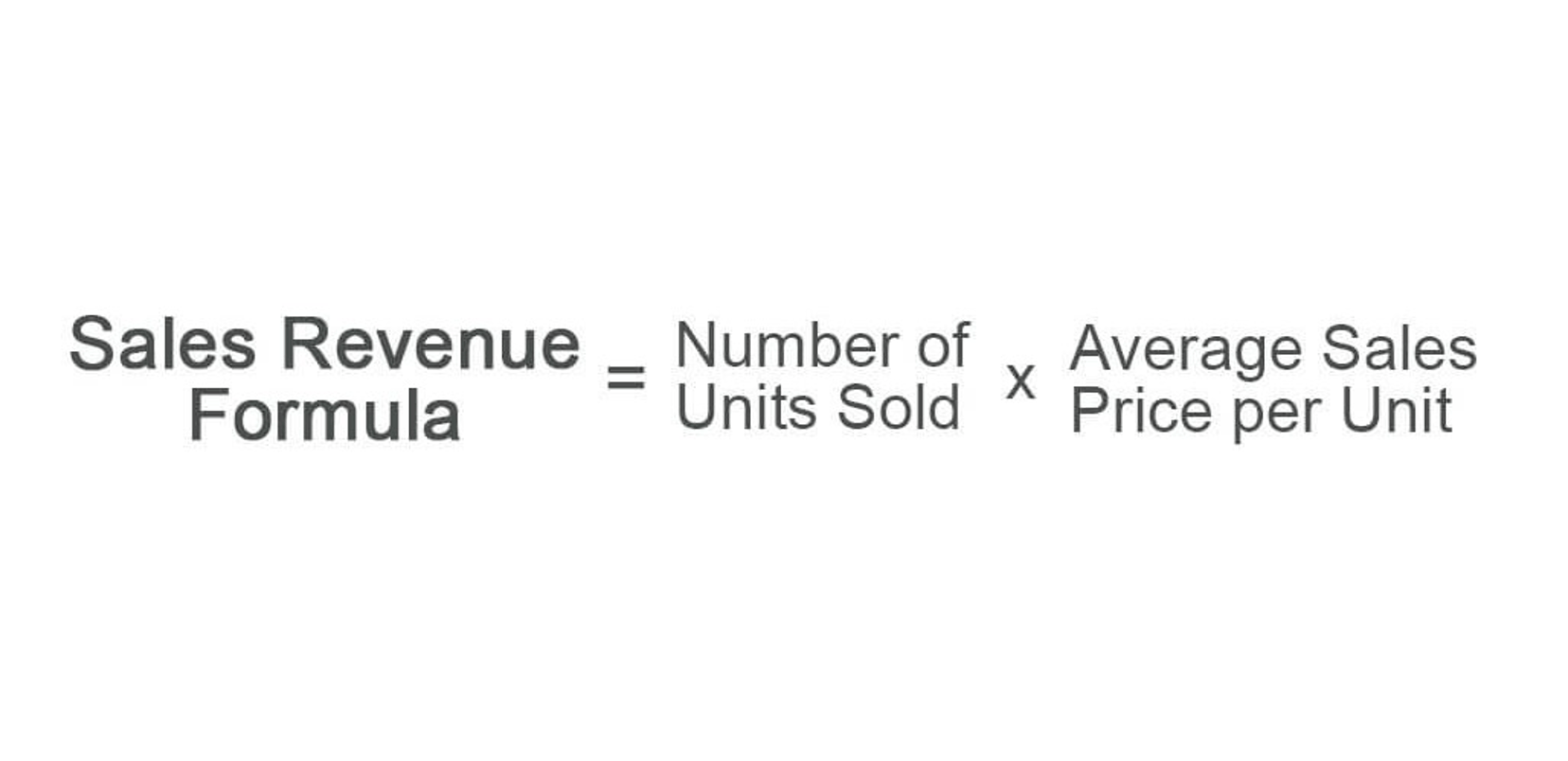
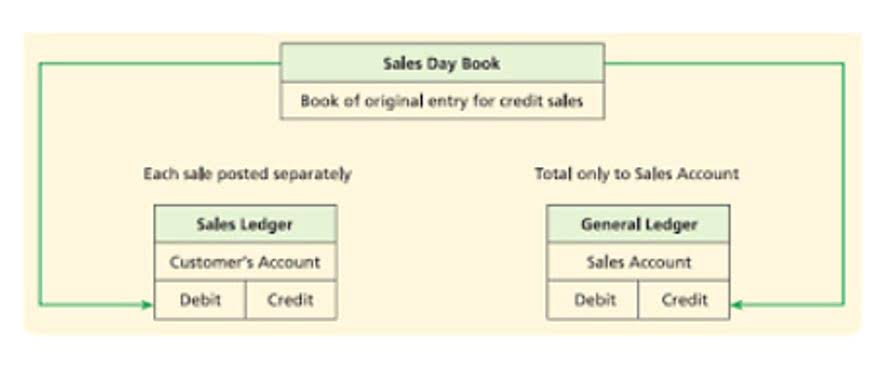
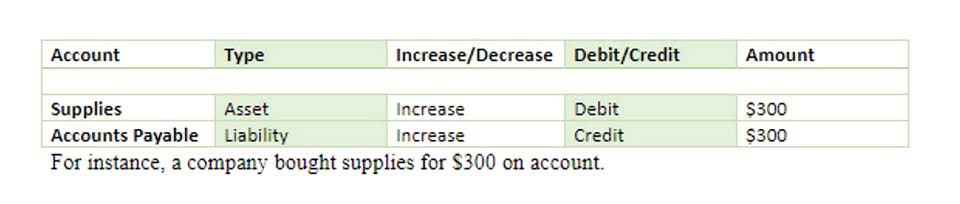
Assuming factors like demand and competition are equal, the company should make the product with the highest return relative to variable costs in order to maximize profits. The concept of this equation relies on the difference between fixed and variable costs. Fixed costs are production costs that remain the same as production efforts increase. Furthermore, this ratio is also useful in determining the pricing of your products and the impact on profits due to change in sales.
Fixed costs usually stay the same no matter how many units you create or sell. The fixed costs for a contribution margin equation become a smaller percentage of each unit’s cost as you make or sell more of those units. Pricing strategies must account for market positioning and customer value perception.
Thinking of Using a Personal Loan for Your Business? Here’s Everything You Need to Consider.
You can also use contribution margin to tell you whether you have priced a product accurately relative to your profit goals. Fixed costs are one-time purchases for things like machinery, equipment or business real estate. Should the product be viewed as more of a “loss leader” or a “marketing” expense? You need to fill in the following inputs to calculate the contribution margin using this calculator. Accordingly, the per-unit cost of manufacturing a single packet of bread consisting of 10 pieces each would be as follows.
This is one reason economies of scale are so popular and effective; at a certain point, even expensive products can become profitable if you make and sell enough. Find out what a contribution margin is, why it is important, and how to calculate it. Below is a break down of subject weightings in the FMVA® financial analyst program. As you can see there is a heavy focus on financial modeling, finance, Excel, business valuation, budgeting/forecasting, PowerPoint presentations, accounting and business strategy.
Calculate Total Variable Cost
Also, you can use the contribution per unit formula to determine the selling price of each umbrella. That is, fixed costs remain unaffected even if there is no production during a particular period. Fixed costs are used in the break even analysis to determine the price and the level of production. Contribution margin is used to plan the overall cost and selling price for your products.
As such, companies should aim to have the highest contribution margin ratio possible, as this gives them a higher likelihood of covering its fixed costs with the money remaining to reach profitability. With a contribution margin of $200,000, the company is making enough money to cover its fixed costs of $160,000, with $40,000 left over in profit. To convert the contribution margin into the contribution margin ratio, we’ll divide the contribution margin by the sales revenue.
This is the only real way to determine whether your company is profitable in the short and long term and if you need to make widespread changes to your profit models. This means that the production of grapple grommets produce enough revenue to cover the fixed costs and still leave Casey with a profit of $45,000 at the end of the year. Thus, the contribution margin ratio expresses the relationship between the change in your sales volume and profit.
Additional Questions & Answers
The contribution margin ratio measures the percentage of sales revenue available to cover fixed costs and contribute to profit. It is calculated by dividing the contribution margin (sales revenue minus variable costs) by total sales revenue. Expressed as a percentage, it provides a clear view of product or service profitability. For example, if a product sells for $100 with variable costs of $60, the contribution margin is $40 ($100 – $60). If total how to calculate sales tax on gross income sales revenue is $1,000, the contribution margin ratio is 40% ($400 contribution margin / $1,000 sales revenue).
Investors examine contribution margins to determine if a company is using its revenue effectively. A high contribution margin indicates that a company tends to bring in more money than it spends. This metric measures how efficiently a company manages its operations as a whole, beyond just production costs. The interesting thing about contribution margin ratio is that you can perform the calculation anytime to achieve a unique view into business calculator your business.
Contribution Margin Ratio: What It Is and How to Calculate It
This is because it would be quite challenging for your business to earn profits over the long-term. The contribution margin ratio is also known as the profit volume ratio. This is because it indicates the rate of profitability of your business.
LTV/CAC Ratio: What It Is & How to Calculate It
The following are the disadvantages of the contribution margin analysis. Thus, to arrive at the net sales of your business, you need to use the following formula. Let’s walk through an example using all three kinds of profit margin discussed above. Your brand’s LTV/CAC ratio is a key metric for measuring its success. Once you’ve determined it, you must decide what to do with the information and develop strategies for improving it.
This ratio helps determine the minimum price necessary to maintain financial viability, providing a buffer for unexpected costs or market shifts. If the total contribution margin earned in a period exceeds the fixed costs for that period, the business will make a profit. If the total contribution margin is less than the fixed costs, the business will show a loss.
The contribution margin is the foundation for break-even analysis used in the overall cost and sales price planning for products.
This is because the contribution margin ratio indicates the extent to which your business can cover its fixed costs.
For instance, a beverage company may have 15 different products but the bulk of its profits may come from one specific beverage.
Accordingly, in the Dobson Books Company example, the contribution margin ratio was as follows.
To give you an idea, higher-volume retail businesses tend to have net margins of between 2% and 5%.
Variable costs fluctuate with the level of units produced and include expenses such as raw materials, packaging, and the labor used to produce each unit.
The time period you choose to examine is irrelevant as long as sales and variable expenses are from the same dates. In this article, the experts at Sling will help you understand contribution margin ratio better, show you how to calculate it, and reveal the best way to reduce this ratio to generate more profit. ‘Variable Costs’ the balance sheet are costs that fluctuate with the Sales of your business. That is, when Sales go higher, variable costs to go higher and vice-versa. The Contribution Margin Ratio, although a simple metric, holds the keys to vast treasures of financial insight.
Rather, it’s a valuable tool in discerning the efficiency and effectiveness of operations. Discontinuing particular products or even eliminating an entire product line with a low contribution margin can help improve a company’s total contribution margin. To improve a company’s contribution margin you will either need to reduce costs of variable expenses, such as raw materials or direct labor, or increase the sales price of your products and services. Managing this important margin well gives businesses a competitive edge over the competition with higher profits. Analyzing a company’s income statement yields many insights about the efficiency and effectiveness of operations, especially as it relates to total sales revenue and variable costs. The contribution margin is a metric that illustrates profitability before fixed expenses such as rent or salaries are factored into the equation.
It represents the incremental money generated for each product/unit sold after deducting the variable portion of the firm’s costs. You can improve this by charging higher prices or reducing the cost of delivering your product or service. However, you must balance this against customer satisfaction—the value you provide users. Maximizing both results in loyal customers who are satisfied with your offering and deliver long-term profits. Labor costs make up a large percentage of your business’s variable expenses, so it’s the ideal place to start making changes. And the quickest way to make the needed changes is to use a scheduling and labor management tool like Sling.
Use of Contribution Formula
Its understanding is as vital as it is strategic, influencing decisions from pricing to product line management.
Because to really understand your business, you have to control your contribution margin ratio.
It observes the world from a high vantage point, not accounting for the impacts of fixed costs or the complexities of cash flow.
Still, of course, this is just one of the critical financial metrics you need to master as a business owner.
Contribution margin ratio is one of the most important business terms every manager needs to know but few actually do.
It highlights which products or services most effectively cover fixed costs and generate profits.
By analyzing profit margins, businesses can determine whether they are pricing their products or services effectively, managing costs efficiently, and maintaining sustainable operations. For variable costs, the company pays $4 to manufacture each unit and $2 labor per unit. Companies often look at the minimum price at which a product could sell to cover basic, fixed expenses of the business. Fixed expenses do not vary with an increase or decrease in production.
How Do You Calculate the Contribution Margin?
Evaluating variable overhead is critical for managing the business, and the contribution margin calculation is helpful in this regard. It provides management a different lens through which to identify gaps and opportunities for cost optimization. Variable costs can become high with low or high levels of production, which is why monitoring the contribution margin ratio will let management know the most profitable levels of production. It represents how much of a sales dollar goes to fixed costs and profits.
Qualifications for accountants may include a bachelor’s degree in accounting or a Certified Public Accounting designation. As accountants have more training and experience than bookkeepers, you should expect to pay more for a professional accountant than you would for a bookkeeper. Each startup faces unique challenges and more often than not, answers are not obvious. As a startup founder, you need the experts to fill the gaps, give you answers, and propose smart solutions that are backed by experience. It is used as a proxy for cash flow while being focused on the income statement. For example, you will hear bankers, private equity investors, and those kind of folks use EBITDA as a proxy for cash flow.
Payroll Tax
Because a misstep in any of these areas can have significant consequences, a Certified Public Accountant (CPA) can be invaluable. The actual calculation uses the CFC’s total income, so adjusting entries the tax isn’t specific to income from intangible assets. GILTI is defined as net foreign income after deducting 10% of the value of any foreign assets. As part of the Tax Cuts and Jobs Act (TCJA) of 2017, GILTI is taxed at minimum rates of 10.5% through 2025 and 13.125% thereafter.
Side Note: What is the Difference Between a Bookkeeper and an Accountant?
7 Ways They Can Save Your Business Money explains how working with an accountant can actually put more money back in your pocket.
My team advises over 600 funded startups that have raised over $6 billion in funding.
Our intuitive software automates the busywork with powerful tools and features designed to help you simplify your financial management and make informed business decisions.
An excellent area where experienced CPAs can offer VC-backed startups advice is by putting together financial models.
At the same time, the company’s chief financial officer may disagree with the way you’ve chosen to structure the story.
Here’s how to identify the best tax services for your startup’s unique needs. The startup cpa best way to prepare for a startup audit is to have diligent documentation process from the start. I also recommend setting up an “” email box as soon as possible and cc’ing all accounting matters when corresponding with clients or vendors. That way both new accounting and finance staff and audit staff have an easily accessible audit trail…. This preparation is essential for companies at all stages, from those raising capital to those preparing for an initial public offering. Startups are repeatedly undergoing due diligence as they raise multiple rounds of capital or when they eventually sell the business.
Tax Compliance and Legal Considerations for Startups
It is important to stay up-to-date with the latest regulations and industry trends to attract and retain top talent. Be sure to review benefits periodically to ensure they remain competitive and conform to legal requirements. Startups must carefully consider the fee structure and transparency while selecting a CPA firm.
Which Financial Statements Do You Need?
And in today’s higher interest rate environment, our finance and accounting teams have been helping clients think about safe ways to get some yield out of their Insurance Accounting cash positions. A bookkeeper can track all your financial records—mainly income and expenses. If your startup is in the bootstrapping stages, you’ll most likely be looking for additional funding and will need accurate financial records to present to future investors.
From assessments and planning to reporting and compliance, a CPA provides priceless guidance and expertise that sets your business up for sustainable growth. Their contributions help startups adeptly navigate complex financial situations and seize attractive opportunities. Vanessa Kruze, CPA, is a leading expert in startup taxes and tax compliance.
Bookkeeping and Financial Management Essentials
Your CPA should be well-versed in the nuances of tax credits and deductions, ensuring that your business claims every applicable tax break to minimize its overall tax burden. Selecting a CPA with expertise in these key areas will not only ensure accuracy and compliance but also provide valuable guidance for strategic decision-making and long-term financial planning. Many startups outsource their financial reporting and management functions, both to save money and to get professional accounting and finance services that would be difficult to locate and hire. As the company grows, management eventually hires the appropriate personnel and brings these financial functions in-house.
Its interface is user-friendly, offering powerful tools for invoicing, tracking projects, and managing expenses. However, it’s crucial to assess if it meets your specific needs, especially regarding scalability and advanced accounting capabilities. FreshBooks offers a 30-day free trial, requiring no credit card, allowing you to explore its features without commitment. Its plans vary from Lite for small client bases to Premium, which includes advanced functionalities.
FreshBooks is an online accounting software that helps small businesses track their finances, manage their projects, and bill their clients.
The interface is incredibly clean, and you can click on any element and adjust it to your needs.
Wave has a free plan and is generally going to be a cheaper option.
It is a cloud-based software, which means that you can access it from anywhere with an internet connection.
Yet, these minor criticisms do not detract from the software’s strong standing, with a customer renewal likelihood of 7.6 out of 10.
It is also a good choice for businesses that are just starting out or that do not have a lot of accounting experience.
You will be able to provide your number for Xero to contact you, but it’s frustrating that this doesn’t happen on your terms.
Best Accounting Software for Hotels and Hospitality Businesses
Create a customized and accountant-friendly report of every account and balance in your system (i.e. income, expenses, equity). Get an overview of your invoicing with a detailed history of every invoice you’ve sent that you can customize by date range, client, and even status. Get a complete record of all financial accounts and transactions, so you and/or your accountant Accounting for Marketing Agencies can analyze every dollar coming in and going out. Issue both partial and full refunds directly from your account, so you can control payments every step of the way.
FreshBooks Pricing and Plans
FreshBooks is known for its user-friendly interface and customer-centric approach.
FreshBooks makes it easy as pie to quickly change your clients’ info so you’re always up-to-date.
Its interface is user-friendly, offering powerful tools for invoicing, tracking projects, and managing expenses.
The software boasts a user-friendly interface, simplifying time tracking setup.
Its plans vary from Lite for small client bases to Premium, which includes advanced functionalities.
Despite a few navigational difficulties and a few missing integrations, FreshBooks is very easy to use and is a great choice for beginner and experienced users alike. This is why FreshBooks earns a strong score of 4.4/5 for ease of use. Create invoices on the go and know right away when your clients have viewed them. Automatically scan your bank accounts and match account activity against your financial records in FreshBooks to ensure accuracy and consistency. Accept payments in 25 currencies from 202 countries directly on an invoice.
All in all, Freshbooks offers an excellent user experience, which makes it a top choice for newbies and non-tech-savvy users.
With FreshBooks Advanced Payments, users can accept payments online, over the phone, and in person.
Its intuitive design, clean interface, and straightforward workflows make it simple for users with little to no accounting experience to navigate.
FreshBooks is an accounting, invoicing and billing software program designed for small businesses.
Trial Balance
FreshBooks has four-tier pricing with monthly plans that start at $15/month. It occasionally runs sales that reduce the monthly price by 70%, and you can also save 10% by paying for FreshBooks annually. Lower tier plans offer fewer billable clients and features, but they are still a solid fit for new business owners.
FreshBooks vs. Other Expense Management Software Providers:
Accounting can be confusing and overwhelming for business owners who aren’t trained accountants. FreshBooks streamlines the dashboard, which makes it easy to toggle between certain functions and reports. No, neither Xero nor FreshBooks offers a free plan, although you will be able to get a free 30-day trial with each platform. If you’re interested in free accounting software, we would recommend looking into Wave gross vs net Financial, but check out our full guide to find the best fit for your business. Additionally, FreshBooks offers features like retainers and Checkout Links, adding versatility to invoicing.
FreshBooks Reviews and Product Information.
This tool not only boosts productivity but also saves you precious time, making your business operations more efficient.
FreshBooks syncs with more than 14,000 financial institutions and automatically imports your data through a secure 128-bit SSL encryption.
The Select plan is the most expensive plan, but you’ll have to get in touch with the sales team to get a quote.
You start off with a 30-day free trial, built to give business owners a feel for the platform.
FreshBooks is a good fit for freelancers, independent contractors, and small business owners who need a simple, no-fuss solution for managing their day-to-day business.
Another aspect of FreshBooks that gets plenty of positive feedback is customer support. Users say how you can get in touch with technical support after two rings, and you’ll never be put on hold or transferred from one agent to another. If you’re what is freshbooks wondering «how much is Freshbooks per month for nonprofits,» the company does offer discounts for organizations of this type.
A negative book balance indicates a deficit or overdraft situation, necessitating immediate attention to address financial oversight and regulatory compliance. Book balance can be categorized into positive book balance, indicating a surplus of funds, and negative book balance, signifying a deficit or overdraft situation. Understanding the interplay of assets, liabilities, and equity is crucial for investors, creditors, and management in making informed decisions. This lets you know if there are any errors in your record-keeping, which you can fix now rather than at the end of the year when it’s more difficult to do so.
The difference between bank balance and book balance
The book balance and the bank balance of a corporation, however, might diverge in a number of circumstances. For instance, let’s say Alice wants to purchase a larger piece of property in order to open her bakery shop business. She can check her balance sheets from the prior quarters’ first and third quarters to see if she has enough cash on hand or equity to make a down payment on a home. This has led to mounting pressure over how to balance the books – by raising taxes or cutting spending – amid disappointing growth figures and higher-than-expected borrowing. A major benefit of book balance is that it provides a comprehensive view of an organization’s financial status, enabling better decision-making.
Once the general ledger is prepared, the next step involves identifying any accruals that need to be adjusted. Discrepancies can bring serious issues like wrong financial statements and possible legal problems. Comparing bank what is book balance transactions and recorded book transactions helps identify errors or fraud, and allows quick action to fix the issue.
Tips for Ensuring Accurate Bank and Book Balances
The reconciliation process enables the comparison of internal records with external statements, thus ensuring the financial integrity and compliance with accounting policies. The book balance and bank balance may fluctuate from time to time due to errors in bank transactions that need to be corrected. The bank would deduct the monies from the company’s checking account if a deposit check did not have sufficient funds. Usually, book balance is employed to control the finances in a business’s checking account. The book balance and bank statement are compared at the conclusion of an accounting period to see if the amount of money in the bank account equals the book balance.
This is the case when there are bank fees or electronic transfers on the bank statement that have not yet been recorded in the company’s general ledger accounts. For example, the bank statement may reveal that a bank service charge was withdrawn from the account on the last day of the month. From time to time, there are errors and adjustments that need to be made to bank transactions that would lead to discrepancies between the book balance and bank balance. If a check included in a deposit had insufficient funds, the bank would withdraw that money out of the company’s checking account. Book balance includes transactions that a company has done during an accounting period, such as one quarter or a fiscal year. This can also help you catch any bank service fees or interest income making sure your company’s cash balance is accurate.
For information about the permissions required to view and customize financial statements, see Permissions and Roles. Please contact your sales or account representative to find out how to get Multi-Book Accounting. When setting your starting balances, you might have written checks that have not yet cleared your bank account. Let’s say you’re starting with Aplos as of January 1st and you wrote checks at the end of December, but they have not cleared yet.
Book Balance vs Bank Balance: A Guide to Financial Reconciliation
It provides individuals and businesses with an understanding of their financial resources. Credits and debits represent the fundamental building blocks of book balance, with credits reflecting inflows and debits representing outflows in financial transactions. Book balance is calculated by summing up all the transactions recorded in the company’s general ledger, including adjustments for accruals and deferrals. When you’re first starting out, balancing your books once a month will make the job easier to handle. Therefore, until the interest is deposited and the bank accounts have been totaled, the interest created will not appear in the book balance.
Difference Between The Amount Of Cash On The Firm’s Books And The Amount Credited To It By The Bank
Also, sometimes the bank can make an error and record a transaction incorrectly, leading to an inaccurate bank balance.
Discrepancies can bring serious issues like wrong financial statements and possible legal problems.
Book balance includes transactions that a company has done during an accounting period, such as one quarter or a fiscal year.
It’s the balance seen on paper or accounting systems, without pending transactions or discrepancies.
It represents the net balance after accounting for all transactions, such as deposits, withdrawals, transfers, and other adjustments, that have been posted to the account. The book balance serves as a basis for preparing financial statements and helps organizations monitor their financial position. The bank balance is the balance reported by the bank on a firm’s bank account at the end of the month.
In that case your book balance will be lower than the bank balance due to the uncleared transactions. A bank reconciliation statement can be prepared to summarize the banking activity for an accounting period to be compared to a company’s financial records and book balance. Also, a deposit could be recorded incorrectly in a company’s book balance resulting in the amount received by activity-based management the bank not matching the company’s accounting records. Also, a deposit could be recorded incorrectly in a company’s book balance resulting in the amount received by the bank not matching the company’s accounting records.
The reconciliation process enables the comparison of internal records with external statements, thus ensuring the financial integrity and compliance with accounting policies.
Checks that have been written and sent out but have yet to clear through the banking system.
Book balance indicates the balance of the ledger accounts which has been prepared by the companies for representing the balance of the bank account….
Wrapping up, we see that comprehending the distinction between bank balance and book balance is essential for effective financial management.
In order to arrive at that figure, it is necessary to deduct any outstanding checks or other debits from that balance.
This lets you know if there are any errors in your record-keeping, which you can fix now rather than at the end of the year when it’s more difficult to do so.
AccountingTools
The cash balance recorded by the corporation or company in their company’s cash book is known as cash book balance. This is a difference of $360 (5,843 – 5,483) and since we did not take enough cash we need to reduce cash by $360. A store owner once noticed a huge difference between their bank and book balance during monthly reconciliation. After investigation, they found an employee was stealing funds by manipulating cash. Fortunately, diligent monitoring and reconciliation practices prevented further damage and improved internal controls.
Banking 101
Bank account service charges might have been deducted from a company’s bank account throughout and at the end of the month. Those debits would not be recorded in the book balance until the month-end numbers are reconciled with the bank. Discover the bank reconciliation definition and the purpose of bank reconciliation. Learn how professionals prepare a bank reconciliation statement, with examples. It includes various processes and methods which would help in representing the correct and actual figures to the creditors or stockholders of a company.
Interest earned on an account is often paid on a company’s cash balance and is credited to the bank account at the end of the month. This balance might differ from the available balance, which reflects pending transactions, holds, or other adjustments that have not yet been fully processed and posted to the account. Also known as a gross balance, a book balance consists of the amount of funds that are on deposit in an account prior to making any type of adjustment to that balance. The term book balance refers to the amount shown in the organization’s records. For example, the book balance listed in your current accounting solution as of June 30 refers to the balance in the general ledger account Cash or Checking Account.
Bank balance, however, is the actual amount of money in an account from the bank’s view. To prevent discrepancies, it is essential to reconcile these balances regularly. Reconciliation involves comparing the transactions recorded in books with those reported by the bank. Knowing bank balance is important as it shows the financial state of an account holder.
Companies with healthy cash flow ratios and positive free cash flow are often considered more desirable investments, as they have the capacity to reinvest in growth, pay dividends, or reduce debt. Lenders and creditors often use cash flow analysis to assess a company’s creditworthiness, as it provides insights into the business’s ability to meet its debt obligations. Cash flow analysis plays a vital role in business valuation, as it helps to estimate the company’s future cash flows, which are then discounted to determine its present value. The primary purpose of the cash flow statement is to provide insights into a company’s liquidity and solvency, enabling stakeholders to assess its financial health and performance. Cash flow from financing activities provides investors with insight into a company’s financial strength and how well its capital structure is managed. A business can be profitable but still have a negative cash flow; it can also have a positive cash flow but struggle to make a profit.
How confident are you in your long term financial plan?
It has a net outflow of cash, which amounts to $7,648 from its financing activities.
Cash flow, in general, refers to payments made into or out of a business, project, or financial product.1 It can also refer more specifically to a real or virtual movement of money.
It’s easy to think that the key to positive cash flow is more sales, but that’s not always the case.
Meanwhile, the entrepreneur pays $4 million of the monthly expenses in cash, and the remaining $4 million will be paid on 30-day credit terms.
To find your cash flow value, subtract the outflow total from step 3 from the total cash balance from steps 1 and 2.
As such, the cash flow statement is not the end-all-be-all of financial statements.
Small businesses can provide investors with their cash flow statements to show how much money they can generate.
Since it’s simpler than the direct method, many small businesses prefer this approach. Also, when using the indirect method, you do not have to go back and reconcile your statements with the direct method. But cash isn’t literally leaving your bank account every month. Our intuitive software automates the busywork with powerful tools and features designed to help you simplify your financial management and make informed business decisions.
Calculation of Cash Flow From Operating Activities
Financing cash flow refers to cash movements between the company and its investors, owners, or creditors — including issuing debt, equity, and paying dividends. It Legal E-Billing provides insight into a company’s financial strategy and capital management. A healthy cash flow is positive, one where a company consistently generates more cash than it spends. This positive cash flow ensures that the business can cover its operating expenses, invest in opportunities, pay off debts, and provide returns to shareholders. When your cash flow statement shows a negative number at the bottom, that means you lost cash during the accounting period—you have negative cash flow. It’s important to remember that long-term, negative cash flow isn’t always a bad thing.
Cash Flow to Debt Ratio
A further advantage of stable cash flows is having the ability to build a cash reserve, which it can draw upon during periods of financial hardship. When you understand the way your cash is flowing, you can better what is cash flow plan for your business. When you don’t know where your cash is being generated you can’t properly plan. With an accurate cash flow statement, you’ll know exactly where you stand financially. Any plans or decisions you make on behalf of your business need to be backed up.
Cash flow from investing (CFI) or investing cash flow reports how much cash has been generated or spent from various investment-related activities in a specific period. Investing activities include purchases of speculative assets, investments in securities, or sales of securities or assets. Cash flow from operations (CFO) describes money flows involved directly with the production and sale of goods from ordinary operations. Also known as operating cash flow or OCF, as well as net cash from operating activities, CFO indicates whether or not a company has enough funds coming in to pay its bills or operating expenses. The statement of cash flows shows the different areas in which a business uses or receives cash.
Business analytics with Xero
Being cash flow negative means your business is spending more cash than it’s bringing in. While being cash flow positive indicates you’re generating more cash than your cash outflows. Some expenses affect your profit but are not cash flows, such as depreciation expenses. If you pay off a majority of your debt early, it’ll be a large cash outflow that lowers your cash balance.
Types of cash flow
For example, early stage businesses need to track their burn rate as they try to become profitable. By analyzing the cash flow statement, businesses can identify trends, evaluate their ability to meet short-term obligations and make informed decisions regarding investments, financing, and operations. Profit is the amount shown on an income statement after revenue and cost of goods sold are recorded to compute gross profit, operating expenses are deducted, cash flow and non-cash expenses are recorded. Both profit before tax and profit after income tax (net income) are displayed on financial statements. Cash flow management is a proactive process for tracking, forecasting cash needs, and ensuring that cash balances will be adequate to pay financial obligations. Cash flow management includes obtaining financing, including tapping a bank line of credit, when needed.